
 Shopping Cart
In today’s workplace, many professionals spend hours hunched over a desk. Over time, that sedentary routine can lead to back pain, stiffness, and low energy. If you’ve ever ended your workday feeling tight or exhausted, you’re not alone.
The good news? Small changes throughout your day can make a big difference. Here are three practical ways to stay active, boost your energy, and improve your overall well-being while at work.
At Porter’s Office Products, we help businesses create workspaces that support both productivity and health.
1. Stand More Throughout the Day
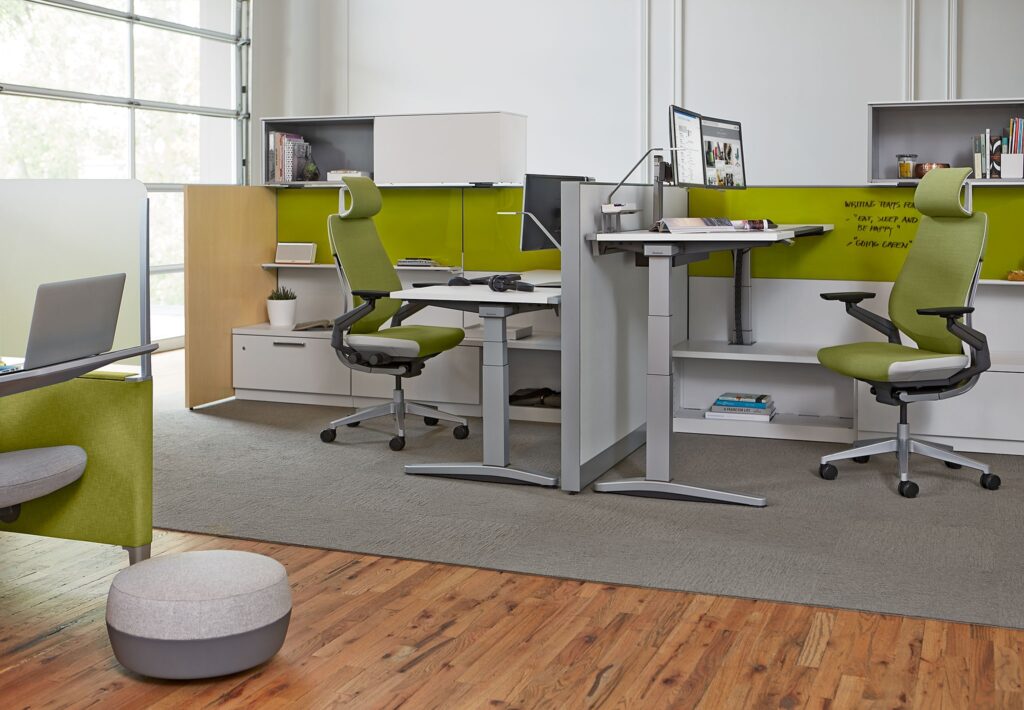
One of the simplest ways to improve your health at work is to stand more often. Health experts suggest standing for 2–4 hours during an 8-hour workday to promote better circulation, posture, and reduced strain on your neck and back.
Tools That Make Standing Easier
Upgrading your workspace can make this habit much more sustainable:
- Height-Adjustable Desks
Desks like the Steelcase Ology, Migration SE, or Solo allow you to seamlessly switch between sitting and standing throughout the day. As the exclusive Steelcase dealer serving Southeast Idaho and Western Wyoming, we can help you find the right fit for your office.
- Anti-Fatigue Mats
Mats like the Floortex Active Anti-Fatigue Mat reduce pressure on your joints and provide added comfort while standing.
- Footrests
Options like the Fellowes Standard Foot Rest help support your posture and even provide gentle foot massage with textured surfaces.
- Balance Boards
Products like the Floortex Wobble Balance Board encourage subtle movement, helping engage muscles and reduce fatigue.
When your workspace supports movement, it becomes much easier to build healthier habits.
2. Use Your Breaks to Move

Breaks aren’t just for checking your phone—they’re an opportunity to reset your body and mind.
Even a few minutes of movement can:
- Boost energy levels
- Improve focus
- Reduce stiffness
Simple Ways to Stay Active on Breaks
- Take a short walk around the building or outside
- Stretch your muscles
- Drink water and reset
Getting outside—even briefly—can be especially refreshing. Whether you’re enjoying the fresh air in or taking in the wide-open spaces, a quick walk can help you return to work more focused and creative.
Helpful Fitness Apps
If you prefer guided routines, these apps can help:
- Fitify – Offers 10–30 minute workouts with personalized plans
- Workout Women – Quick, under-10-minute workouts tailored to your needs
- Stretch Exercise – Focuses on flexibility, posture, and pain relief
3. Stay Active—Even While Sitting

Even if you can’t leave your desk, you can still keep your body engaged.
Easy Seated Exercises
- Wrist stretches to reduce the risk of carpal tunnel
- Shoulder rolls and neck stretches
- Stretching your legs under your desk
You can also follow quick guided routines during your workday, making it easy for teams to stay active without disrupting productivity.
Recommended Chair for Movement
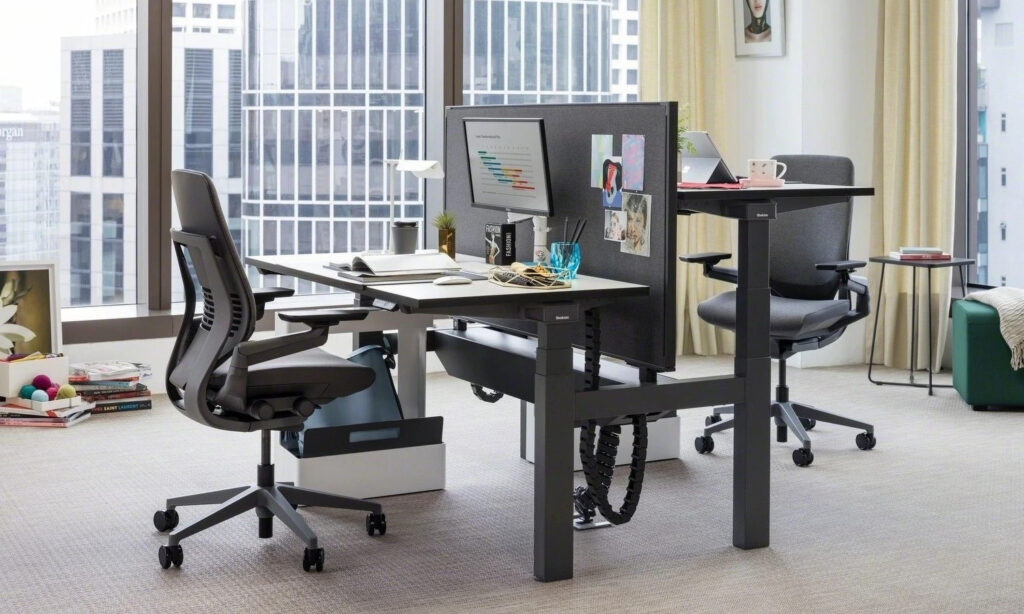
If you tend to shift positions frequently, your chair matters.
The Steelcase Gesture Chair is designed for movement, featuring:
- 360-degree adjustable armrests
- Flexible support for different postures
- Durable, ergonomic design
As the exclusive Steelcase dealer serving Southeast Idaho and Western Wyoming, Porter’s Office Products can help you find ergonomic seating solutions that move with you.
Contact Us To Discuss Chair Demo Options
Final Thoughts
Your body is something you rely on every day, so taking care of it at work is essential.
By standing more, moving during breaks, and staying active even while seated, you can reduce discomfort, improve focus, and feel more energized throughout your day.
Creating an active workspace starts with the right habits and the right tools.
FAQs
Why is it important to move while working?
Staying active helps reduce muscle strain, improve circulation, boost energy, and prevent long-term health issues caused by prolonged sitting.
What tools can help me stay active at the office?
Height-adjustable desks, anti-fatigue mats, footrests, and balance boards all support better movement and posture.
What exercises can I do at my desk?
Simple stretches like wrist rolls, shoulder shrugs, neck stretches, and seated leg extensions are effective and easy to incorporate into your routine.
How often should I switch between sitting and standing at work?
A good rule of thumb is to alternate every 30–60 minutes. Many experts recommend a sit-to-stand ratio of about 1:1 or 2:1 (sitting to standing). The key is to avoid staying in one position for too long and to keep your body moving throughout the day.
Do ergonomic office products really make a difference?
Yes! Ergonomic products are designed to support your body’s natural posture and reduce strain. Items like height-adjustable desks, ergonomic chairs, and footrests can help prevent discomfort, improve productivity, and support long-term health, especially when combined with regular movement throughout the day.